
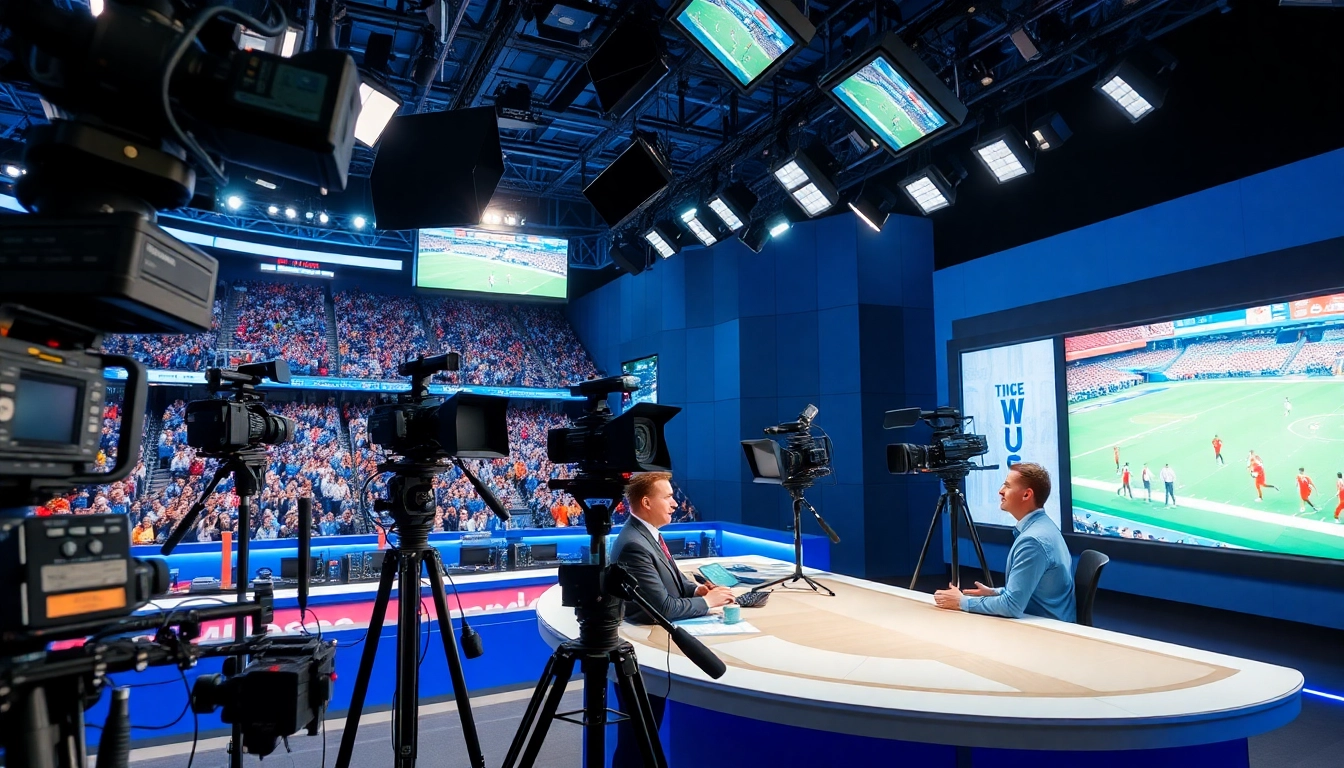
Understanding Sports Broadcasting
Defining Sports Broadcasting
Sports Broadcasting refers to the distribution of sporting events and related content to a wide audience via electronic media, which includes television, radio, and digital platforms. This medium serves not only to inform but also to entertain, allowing fans to experience events remotely. With the advent of technology, Sports Broadcasting has evolved dramatically, becoming an intricate blend of storytelling, analytics, and viewer interaction.
History and Evolution of Sports Broadcasting
The roots of Sports Broadcasting can be traced back to the early 20th century when live sports events began to be aired over the radio. Baseball games were among the first to be broadcasted, capturing the attention of millions. The significant milestone came with the first televised boxing match in 1931, heralding a new era where visual media could bring the thrill of live sports into homes.
Over the decades, technology has propelled Sports Broadcasting into new frontiers. The transition from black-and-white broadcasts to color television brought a richer viewing experience. The introduction of satellite and cable television expanded access exponentially, allowing viewers to catch live events from around the world. Today, high-definition broadcasts and the rise of digital streaming platforms have transformed how fans consume sports content.
The Impact of Technology on Sports Broadcasting
The impact of technology on Sports Broadcasting is profound and multifaceted. Innovations such as 4K and 8K resolutions have elevated the quality of broadcasts, making them more immersive. Additionally, augmented and virtual reality technologies are being used to enhance viewer interaction, allowing fans to experience games from different angles or even place themselves virtually within the action.
Social media integration has also changed the landscape, providing real-time updates and highlight reels, which keep audiences engaged. Moreover, data analytics play a crucial role, allowing broadcasters to deliver enhanced commentary and personalized viewing experiences based on fan preferences.
Key Components of Sports Broadcasting
Essential Equipment for Effective Broadcasting
Effective Sports Broadcasting requires an array of specialized equipment to ensure high-quality audio and visual experiences. At the core are cameras—multiple angles and high-definition lenses capable of capturing every moment in detail. Additionally, broadcast trucks equipped with advanced broadcasting technology and satellite uplinks are essential for transmitting live events.
Sound equipment, like microphones and mixing boards, is crucial for capturing commentary and ambient sounds, which enrich viewer experience. Graphics equipment and software for on-screen stats and graphics provide essential context for viewers, keeping them informed while they watch.
Roles in a Sports Broadcasting Team
A successful Sports Broadcasting team is composed of various roles, each playing a critical part in delivering a comprehensive broadcast. Among them are producers who oversee content creation, directors who manage technical aspects, cameramen who capture the action, and commentators who provide insights and build narratives around the game.
Moreover, analysts contribute expert opinions, while graphic artists design engaging visuals. Understanding these roles and how they function together is crucial for producing seamless broadcasts that captivate audiences.
Broadcasting Platforms and Their Features
Today, Sports Broadcasting is delivered across multiple platforms, each with unique features that cater to diverse audiences. Traditional television remains a staple, particularly for major sports leagues, but streaming platforms have surged in popularity due to their flexibility and accessibility.
Digital platforms allow for multi-device viewing, providing viewers with on-demand content and the ability to interact through chat features and social media. Furthermore, many platforms now offer advanced analytics and personalized content recommendations based on viewer behavior, enhancing user engagement.
Effective Strategies in Sports Broadcasting
Audience Engagement Techniques
To foster a loyal viewership, broadcasters must employ effective audience engagement techniques. Interactive polls during live events, live Q&A sessions with players, and behind-the-scenes footage are ways to connect viewers deeply with the broadcast.
Creating segments that invite viewer participation, such as fan of the game features or social media shout-outs, can enhance the sense of community among fans. Engaging with audiences on their platforms further solidifies relationships and encourages viewership.
Leveraging Social Media for Sports Broadcasting
Social media is an indispensable tool for modern Sports Broadcasting. Broadcasters can leverage platforms like Twitter, Facebook, and Instagram for real-time updates and fan interaction. Highlight reels, player interviews, and behind-the-scenes content shared on social media not only broaden reach but also drive traffic to official broadcasts.
Moreover, social media allows broadcasters to tap into trending topics and fan sentiment, making broadcasts more relatable and engaging. Successful integration of social media enables broadcasters to create a comprehensive narrative that resonates well beyond the screen.
Creating Compelling Content for Viewers
Compelling content is the backbone of successful Sports Broadcasting. This includes not only live coverage of events but also pre-game previews, post-game analyses, and documentary-style features that tell inspiring athlete stories. Engaging narratives that contextualize the game enhance viewer investment.
Creating themed programming that aligns with major events, athlete milestones, or seasonal trends can keep audiences engaged through off-peak times. Additionally, employing high-quality visuals and sound can dramatically elevate content appeal.
Performance Metrics in Sports Broadcasting
Measuring Audience Ratings
Understanding audience ratings is essential for evaluating broadcast success. Metrics such as Total Audience Measurement (TAM) and Broadcast Audience Research Board (BARB) ratings provide insights into how many viewers are tuning in. These ratings can guide decisions on programming and advertising strategies.
Additionally, demographic insights into who is watching—age, gender, location—can fine-tune content strategy, ensuring that broadcasts cater to the primary audience segments.
Analyzing Viewer Feedback and Engagement Levels
Feedback and engagement from viewers provide invaluable data that informs broadcasters about preferences and areas for improvement. Online surveys, focus groups, and social media interactions give direct insight into viewer sentiments and experiences.
Monitoring engagement levels, such as how long viewers watch programs and the frequency of replays, is crucial for refining content strategies. Adjusting broadcasts based on feedback not only enhances quality but also fosters audience loyalty.
Utilizing Data Analytics for Improved Broadcasting
Data analytics has revolutionized Sports Broadcasting by enabling broadcasters to gather detailed insights into viewer behavior and preferences. This includes metrics on viewer retention, peak watch times, and geographical viewership trends. Analyzing this data can inform everything from programming schedules to promotional strategies.
Advanced analytics tools can predict viewership trends, allowing teams to adjust strategies proactively to maximize audience engagement and advertising revenue.
Future Trends in Sports Broadcasting
Emerging Technologies in Sports Broadcasting
The future of Sports Broadcasting is bright, with emerging technologies poised to reshape the landscape. Technologies such as artificial intelligence (AI) and machine learning can automate broadcasting processes, from enhancing production quality to personalizing viewer experiences.
Furthermore, innovations like immersive VR experiences and interactive broadcasts are set to engage viewers in ways previously thought impossible. As these technologies evolve, they will likely redefine what it means to be a sports fan.
The Role of Streaming Services
Streaming services are becoming the primary medium for Sports Broadcasting, with many viewers preferring the flexibility and accessibility they provide. These platforms often offer unique features like personalized viewing options, multi-angle camera views, and integration with social media.
As traditional cable viewership declines, understanding how to leverage streaming technology will be vital for broadcasters aiming to capture and retain audiences in this new era.
Shaping the Future of Viewer Experience
As technology transforms Sports Broadcasting, enhancing the viewer experience remains paramount. Viewer-tailored content, data-driven insights, and real-time interactions will significantly shape how fans engage with their favorite sports.
Looking ahead, the integration of more interactive features, immersive experiences, and cross-platform engagement will continue to refine how audiences consume sports content, ensuring that the thrill of the game is never more than a moment away.
Frequently Asked Questions
What is Sports Broadcasting?
Sports Broadcasting is the distribution of live or recorded sports content through various media outlets, including television, radio, and online platforms.
How has technology changed Sports Broadcasting?
Technology has enhanced visuals, audio quality, and viewer interaction in Sports Broadcasting. Innovations like high-definition and streaming services have transformed audience engagement.
What roles are involved in a Sports Broadcasting team?
Roles in Sports Broadcasting include producers, directors, commentators, cameramen, analysts, and graphic artists, each contributing to a successful broadcast.
How can broadcasters engage their audience effectively?
Broadcasters can engage audiences through interactive social media content, fan polling, behind-the-scenes access, and compelling storytelling techniques.
What metrics are used to measure Sports Broadcasting performance?
Metrics include audience ratings, viewer feedback, engagement levels, and analytics on viewer behavior, helping broadcasters tailor content effectively.