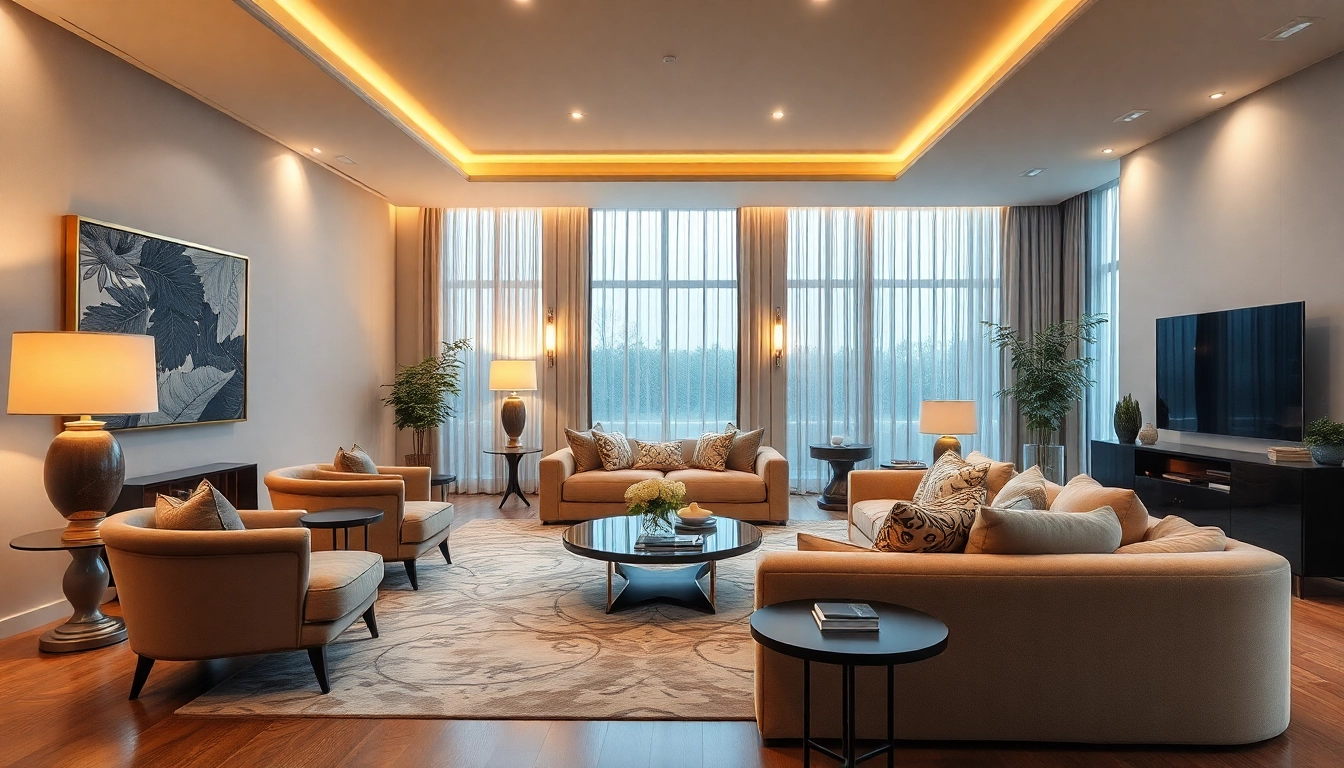
Understanding Luxury: A Definition Beyond Materialism
The concept of luxury extends far beyond mere material possessions; it encompasses experiences, emotions, and aspirations that resonate with individuals on a deeper level. Traditionally associated with opulence and wealth, luxury is increasingly being defined by the quality of life and personal fulfillment rather than the accumulation of products. In modern society, the perception of luxury is evolving, where the demand for luxury goods and experiences is driven by a desire for authenticity, uniqueness, and emotional connection.
The Concept of Luxury in Modern Society
Luxury in today's world is a multifaceted concept, influenced by cultural shifts and changing consumer values. It now emphasizes personal significance, satisfaction, and well-being. As consumers grow more discerning, they prioritize experiences that bring joy, beauty, and intimacy over traditional notions of material wealth. For many, luxury symbolizes an opportunity to escape the ordinary, offering moments of indulgence and relaxation in an increasingly hectic world.
Additionally, the globalization of luxury items has transformed them into status symbols that reflect individual values rather than mere economic power. Consumers today seek brands that resonate with their beliefs, whether through sustainability, craftsmanship, or social responsibility. As a result, luxury is no longer solely associated with high price tags; it embodies a lifestyle that speaks to personal identity and ethical considerations.
Lifestyle Choices Influenced by Luxury Trends
The growing trend towards experiential luxury has led to lifestyle changes where consumers opt for unique experiences over excessive spending on material goods. Luxury travel, bespoke culinary experiences, and high-end wellness retreats have gained immense popularity as individuals prioritize enriching their lives through unforgettable moments. This shift indicates a broader understanding of luxury—one that aligns more closely with personal growth and self-care.
Moreover, the rise in awareness about health and well-being is reshaping consumption patterns. Many affluent consumers are now investing in products and services that promote a balanced lifestyle, from organic food brands to wellness-focused retreats. The luxury market is thus evolving into a holistic experience where quality of life is paramount.
The Impact of Luxury on Economic Growth
The luxury goods sector represents a significant contribution to global economic growth. According to recent reports, the luxury market is projected to continue expanding, driven by increasing income levels and a booming middle class in emerging markets. This growth generates not only substantial revenue streams for luxury brands but also provides ample job opportunities in various sectors ranging from production to marketing.
Furthermore, luxury brands often serve as trendsetters, influencing other industries. The intersection of luxury and technology, for instance, highlights how innovative solutions have transformed consumer interactions, optimizing brand experiences in ways previously unimagined. As luxury companies embrace digital transformation, they pave the way for enhanced customer engagement and streamlined operations, contributing to a more dynamic economic ecosystem.
Types of Luxury Goods: Navigating the Market
Understanding the various types of luxury goods is essential for navigating the luxury marketplace effectively. Luxury goods can be broadly categorized into three main types: consumer goods, experiences, and sustainable items. Each type comes with its own market trends and consumer expectations.
Luxury Consumer Goods: Trends and Examples
Luxury consumer goods encompass a range of items, from high-end fashion and jewelry to premium automobiles and electronics. The demand for these products is often influenced by brand heritage, exclusivity, and craftsmanship. For example, brands like Louis Vuitton and Rolex leverage their storied histories to create a sense of prestige that appeals to consumers.
Recent trends in the luxury consumer goods market highlight a strong preference for limited editions and customized products. Consumers are drawn to items that offer a sense of individuality and uniqueness. This trend has prompted many luxury brands to embrace bespoke services, allowing customers to curate products that align closely with their personal tastes.
Moreover, the rise of streetwear and athleisure as luxury items exemplifies how consumer preferences are shifting. Brands like Off-White and Balenciaga successfully merge high fashion with casual aesthetics, appealing to a younger demographic that prioritizes comfort and style.
Luxury Experiences: Beyond the Product
Beyond physical products, luxury experiences have become a prominent market segment. These experiences can range from private jet travels and yacht charters to exclusive access to events like fashion shows or culinary tours with renowned chefs. Luxury experiences provide consumers with unique opportunities to create lasting memories, fostering emotional connections that transcend material acquisition.
As the luxury market evolves, brands are increasingly offering tailored experiences that align with consumer values. For instance, personalized travel itineraries that focus on cultural immersion or wellness retreats that prioritize holistic health resonate deeply with affluent consumers seeking meaningful engagement.
Sustainable Luxury: A New Era of Consumption
Sustainability has emerged as a critical trend in the luxury market. As consumers become more environmentally conscious, luxury brands are responding by adopting ethical sourcing practices, promoting eco-friendly materials, and engaging in social responsibility initiatives. This shift marks a new era where luxury and sustainability coexist, allowing consumers to indulge without compromising their values.
For example, brands like Stella McCartney have pioneered the integration of sustainable practices in luxury fashion, focusing on cruelty-free materials and waste reduction. The appeal of sustainable luxury lies in its ability to provide guilt-free indulgence, offering the luxury of choice while aligning with ethical principles.
Creating a Luxury Brand: Key Strategies
Establishing a luxury brand requires a nuanced understanding of market dynamics, consumer behavior, and brand equity. Crafting a successful luxury brand involves identifying the target audience and developing a compelling brand narrative that resonates with consumers’ aspirations and values.
Identifying Your Target Audience in Luxury Markets
One of the foundational steps in building a luxury brand is to identify the target audience distinctly. Luxury consumers are often characterized by specific demographics, such as age, income levels, and lifestyle preferences. However, psychological factors, including motivations and values, play a crucial role in understanding consumer behavior in luxury markets.
Market research and consumer segmentation can provide valuable insights into the preferences and behaviors of potential customers. Brands must invest in understanding what defines luxury for their target audience—be it exclusivity, heritage, craftsmanship, or sustainability. Moreover, engaging with consumers through social media and exclusive events can deepen brand relationships and foster loyalty.
Crafting a Unique Brand Story that Resonates
A compelling brand story is vital for establishing emotional connections with consumers. Luxury brands often leverage their heritage, craftsmanship, or unique narratives to differentiate themselves in a crowded marketplace. The storytelling process should focus on authenticity and relatability while maintaining an aspirational tone.
For example, brands like Hermès have successfully communicated their legacy through well-crafted narratives that celebrate artisanal craftsmanship and heritage. Using content marketing strategies, luxury brands can tell their stories across various platforms, building a cohesive identity that resonates with contemporary values and consumer aspirations.
Marketing Luxury: Techniques that Stand Out
Marketing luxury goods requires specialized techniques that speak to discerning consumers. Traditional advertising methods may not suffice; hence, luxury brands often employ experiential marketing, influencer partnerships, and exclusive events to engage their audience effectively.
Using digital platforms strategically, luxury brands can create tailored campaigns that accentuate their unique selling propositions. Utilizing social proof, such as testimonials from influential figures or high-profile collaborations, can enhance brand credibility and desirability. Additionally, leveraging social media platforms like Instagram can serve as an effective channel for showcasing the aspirational aspects of the luxury lifestyle.
The Psychology Behind Luxury Purchasing Decisions
Understanding the psychological factors that drive luxury purchasing decisions is vital for brands aspiring to excel in this competitive landscape. Affluence does not solely dictate luxury consumption; psychological motivations, social influences, and emotional connections significantly shape consumer choices.
Understanding Consumer Behavior in Luxury Markets
Consumer behavior in luxury markets is often influenced by a myriad of factors that extend beyond the functional attributes of products. Aspirational desires, self-identity, and social visibility all contribute to luxury consumption patterns. Many consumers purchase luxury items to signify status, express individuality, or enhance personal fulfillment.
Moreover, the phenomenon of “conspicuous consumption” highlights how luxury goods are often perceived as symbols of success and prestige. These psychological drivers emphasize the importance of marketing strategies that tap into the emotional aspects of luxury—creating narratives that resonate with consumers' deeper motivations.
The Role of Exclusivity in Luxury Appeal
Exclusivity plays a pivotal role in the allure of luxury. The perception that an item is rare or hard to obtain enhances its desirability—enabling brands to command premium prices and foster a sense of sophistication among consumers. Strategies such as limited editions, private collections, or exclusive memberships serve to create a sense of urgency and heightened interest in luxury products.
Such exclusivity fosters not only a sense of ownership but also belonging to an elite community. Brands can leverage this sense of belonging through personalized marketing efforts, inviting loyal customers to exclusive events or providing specialized services that acknowledge their valued relationship with the brand.
Emotional Connections: How Luxury Creates Loyalty
The ability to create emotional connections greatly influences customer loyalty within the luxury sector. Consumers whose aspirational selves are aligned with the brand’s values are more likely to develop long-term relationships with luxury brands. Fostering emotions such as nostalgia, passion, or fulfillment through brand experiences can turn purchasing decisions into heartfelt choices.
To create enduring loyalty, luxury brands must consistently deliver exceptional customer experiences, provide personalized services, and maintain open communication channels to acknowledge and nurture consumer relationships. This customer-centric approach fosters emotional investment that transcends the mere transactional nature of luxury purchases.
Future of Luxury: Trends and Predictions
As we look to the future, the luxury market appears poised for transformative changes driven by shifts in consumer preferences, technological advancements, and global dynamics. The intersection of luxury and technology is particularly noteworthy, as brands adapt to evolving consumer expectations.
Technological Innovations in the Luxury Sector
Innovations such as artificial intelligence, augmented reality, and blockchain technology are shaping the luxury industry. AI-powered personalization enables brands to deliver tailored shopping experiences that respond to individual consumer behaviors, preferences, and needs. Augmented reality facilitates immersive experiences, allowing consumers to visualize products in realistic contexts before making a purchase.
Moreover, blockchain technology enhances transparency and authenticity in luxury markets, especially concerning supply chain management and provenance. This tech-driven transparency assures consumers of the quality and ethical sourcing of luxury goods, feeding into their values and purchasing decisions.
Global Influence on Luxury Market Dynamics
The dynamics of the luxury market are increasingly influenced by global trends, including shifts in geopolitical landscapes, income distribution, and cultural exchange. Emerging markets in Asia and Africa are witnessing a surge in wealth growth, resulting in a newfound demand for luxury products and experiences from these regions.
Additionally, as international travel resumes post-pandemic, luxury brands stand to benefit substantially from the revived interest in travel and hospitality. These trends highlight the importance of brands maintaining agility to adapt to rapidly changing market dynamics, ensuring their relevance in an interconnected world.
Shifting Consumer Values: Luxury in the 21st Century
As societal values continue to evolve, the concept of luxury is also transforming. Consumers are gravitating towards brands that align with their beliefs and demonstrate social responsibility. The luxury market of the 21st century must embrace these shifts, fostering diversity, inclusivity, and sustainability in their offerings and practices.
In conclusion, understanding luxury as a multifaceted construct encompassing personal growth, emotional connections, and evolving values is crucial for brands aiming to thrive. As we move forward, the intersection of technology, consumer aspirations, and ethical considerations will shape the ever-evolving landscape of luxury, creating opportunities for brands to connect meaningfully with their audiences.